
Autumn is a sensible time to walk round your property. Mice and rats are active all year, but as the weather cools they look for warmth, food and shelter closer to buildings, so any gap you have is more likely to get used. A short inspection now is much easier than dealing with an established problem in January.
This article is about the physical routes in. If you are already hearing noises or finding droppings, read our guides to telling whether you have mice and to signs of rats in your garden or loft, which cover identification and what to do next.
Do mice and rats come indoors because of cold weather?
Not by temperature alone, and not in a guaranteed autumn surge. BPCA says mice do not hibernate and are a problem all year, and that house mice already live in and around buildings. What changes is that field mice living outdoors may move in to find warmer places to nest, and food outside becomes harder to find.
BPCA also says rats start looking for shelter and scraps in more built-up places as temperatures drop and food becomes scarce, and that they may be seen in daylight when that happens.
In practice, whether rodents get in depends on three things: whether there is food and waste nearby, whether there are sheltered places to nest, and whether there is a gap they can use. You can only do something about the last two, which is why the entry points below matter.
How big a gap do they need?
Mice
BPCA says mice need a gap of only about 6mm, roughly the rubber end of a pencil, and can squeeze through cracks around 5mm.
Rats
BPCA says rats need a gap of about 15mm to get into a structure, and that a space as thin as two fingers can be enough.
These are guide figures. A mouse can pass through anything its head fits through, so treat any gap you can push a pencil into as worth sealing properly.
Nine entry points to check
Start at ground level. BPCA advises focusing on low-level gaps first, because those are the most likely places for rodents to get in, then moving on to higher vents and gaps.
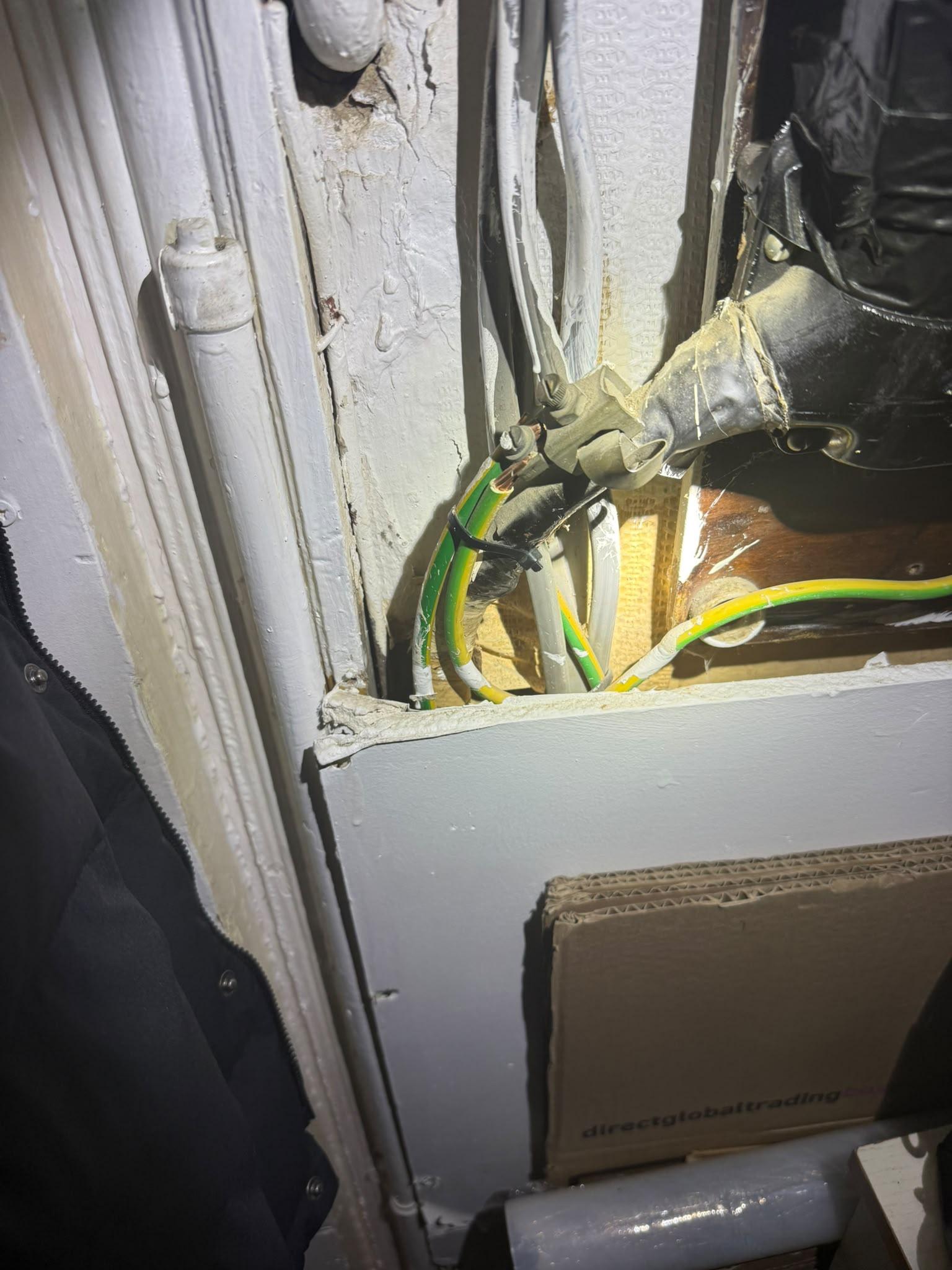
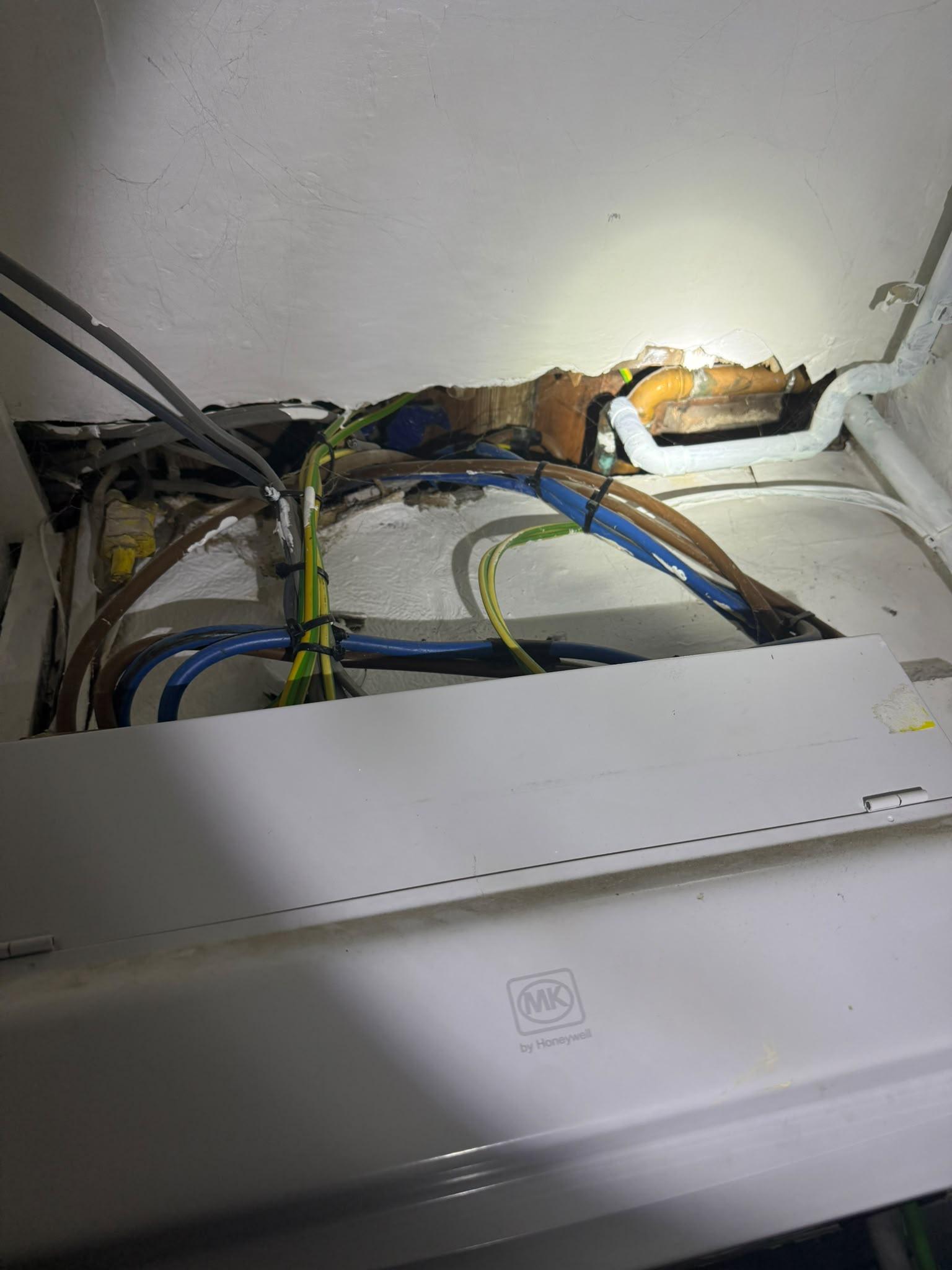
Gaps around water pipes and other service penetrations
Wherever a water, gas, waste or electrical service passes through a wall or floor, there is usually a hole slightly larger than the pipe or cable. BPCA says mice need a gap of only about 6mm (roughly the rubber end of a pencil) and rats about 15mm, so a loose collar or a hairline gap around a waste pipe can be enough.
Check under kitchen sinks, behind washing machines and boilers, inside airing cupboards, and wherever pipes and cables leave the building. Look for gnaw marks and greasy smear marks around the opening as well as the gap itself.
Gaps beneath external doors and garage doors
A worn threshold, warped door or damaged seal can leave a gap along the bottom of an external door. BPCA recommends fitting a door sweep or brush strip to exterior doors where the gap is larger than 4mm.
Check front, back and side doors, plus garage doors, and look at the base of timber doors for chew marks. A door with a visible gap or gnawed edge is worth having properly assessed.
Damaged air bricks and ventilation openings
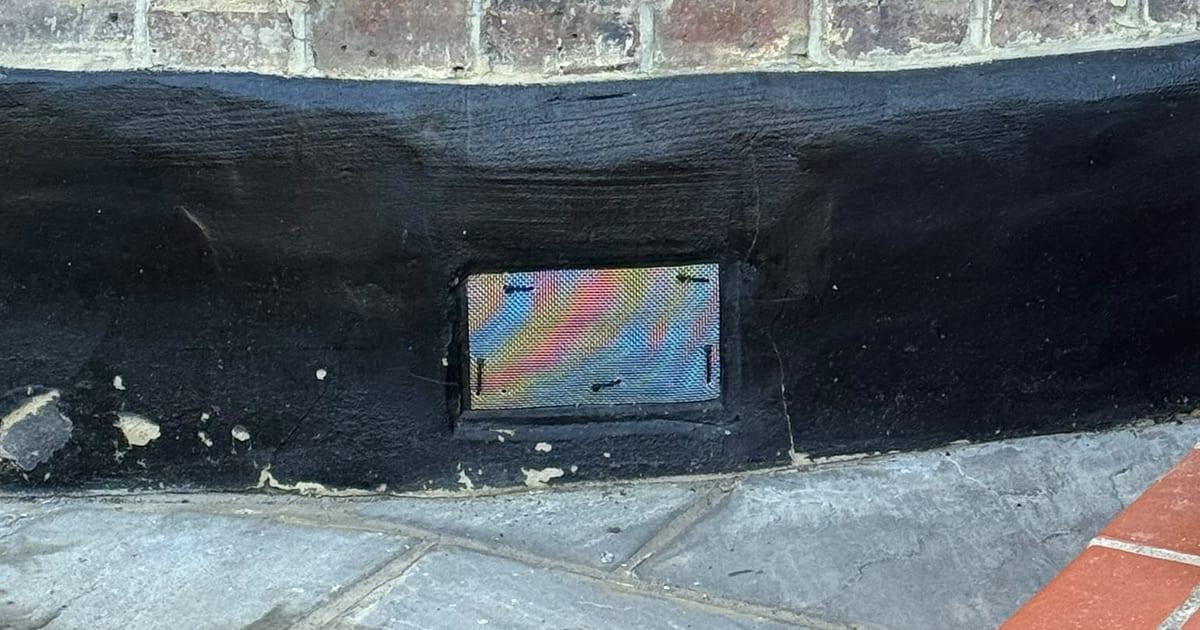
Air bricks and vents are there to keep air moving under suspended floors and through walls, so they should never be blocked up. They do, however, need to be intact. Rusted-out grilles, broken covers and missing air bricks leave an open route into the sub-floor void.
The usual fix is a fine metal mesh cover that stops rodents but still lets air through, as in the photograph below. BPCA advises checking low-level gaps first, as these are the most likely places for rodents to get in.
Cracks, missing mortar and holes in external walls
BPCA notes that mice can squeeze through cracks as small as 5mm, and rats gnaw through a surprising range of materials. Missing mortar, cracked render and holes left by old cables, vents or satellite fittings are all worth a look, especially near ground level.
Because rodents gnaw constantly, the filling material matters. BPCA's advice for sealing entry points is wire wool embedded in quick-setting cement.
Damaged drainage, drain connections and uncapped pipes
Brown rats are often found living in sewer systems, so a cracked drain run, a missing inspection cover or an old pipe that no longer serves anything can become a way into a property. BPCA advises making sure drain inspection covers are in good repair and that disused pipes are sealed off.
If you suspect a damaged drain, do not try to repair it yourself. Raise it with a drainage contractor, or with your landlord or managing agent if you rent.
Gaps around roof edges, eaves and utility routes
Mice are agile climbers that can run along cables and wires and scale rough vertical surfaces, and rats can climb brick walls. Climbing plants, trellis, drainpipes and cable runs can therefore give rodents a route up to the roofline.
Look for gaps where soffits, fascias or tiles have shifted, and where cables or pipes enter at roof level. Cutting climbing plants back from the walls removes an easy ladder.
Openings around extensions, sheds and outbuildings
BPCA says to eliminate gaps around pipes and under sheds, and notes that rat holes beside solid structures are a sure sign of a nest. Sheds, garages and lean-tos are also good places for rodents to shelter close to the house.
Check where an extension meets the original building and where services run between the two, and keep the ground around sheds clear so that burrows are easy to spot.
Gaps between floors, wall cavities and adjoining structures
Once inside, rodents can use roof spaces, wall cavities and the space under floors for nesting, as BPCA lists them as common nesting areas. Gaps where pipes and cables pass through floors and walls give them routes between those spaces.
BPCA also warns that an infestation next door can spread into a neighbouring property very quickly. In terraces, flats and mixed-use buildings, gaps in shared walls and communal areas matter, so tell your landlord or managing agent if you find them.
Entry routes near bins, stored materials and outdoor harbourage
Food and shelter by the building draw rodents to it and make any existing gap more likely to be used. BPCA suggests keeping bin lids sealed, replacing damaged bins, placing bins away from windows and doors, and protecting compost heaps with wire mesh.
Clear piles of wood and debris, cut back overgrown areas, and avoid leaving large amounts of bird food on the ground. This does not replace proofing, but it removes reasons for rodents to be there.
Keep ventilation working
Do not block air bricks or vents to keep rodents out. They keep air moving under floors and through walls, and blocking them can cause damp problems. Use a fine metal mesh cover that keeps rodents out and still lets air through. If you are not sure what a vent is for, leave it and ask a professional.
Roof-level gaps are harder to check because many lofts have no safe way in. If you cannot reach the roof space to look at eaves, pipe entries and insulation, our loft boarding, ladders and hatches service can provide safer access for inspection.
Signs that mice or rats may be present
Gaps on their own do not mean you have rodents. These are the signs BPCA lists, and they are most useful in combination:
- Droppings. Dark and pellet-shaped. BPCA describes mouse droppings as about the size and shape of a grain of rice, and rat droppings as looking like large grains of rice, often clustered in particular spots.
- Gnaw marks. On wood, cables, plastic, packaging and pipes.
- Smear marks. Dark, greasy marks along walls and skirting where rodents repeatedly brush past.
- Noises at night. Scratching, scuttling or gnawing in walls, floors or the loft. These sounds can also come from squirrels, so identification matters.
- Smell. A strong ammonia-type smell can point to mice.
- Nests and damaged food. Shredded paper, fabric or insulation in hidden spots, or torn food packaging.
- Footprints and tail marks. In dusty, rarely used areas such as lofts and under stairs.
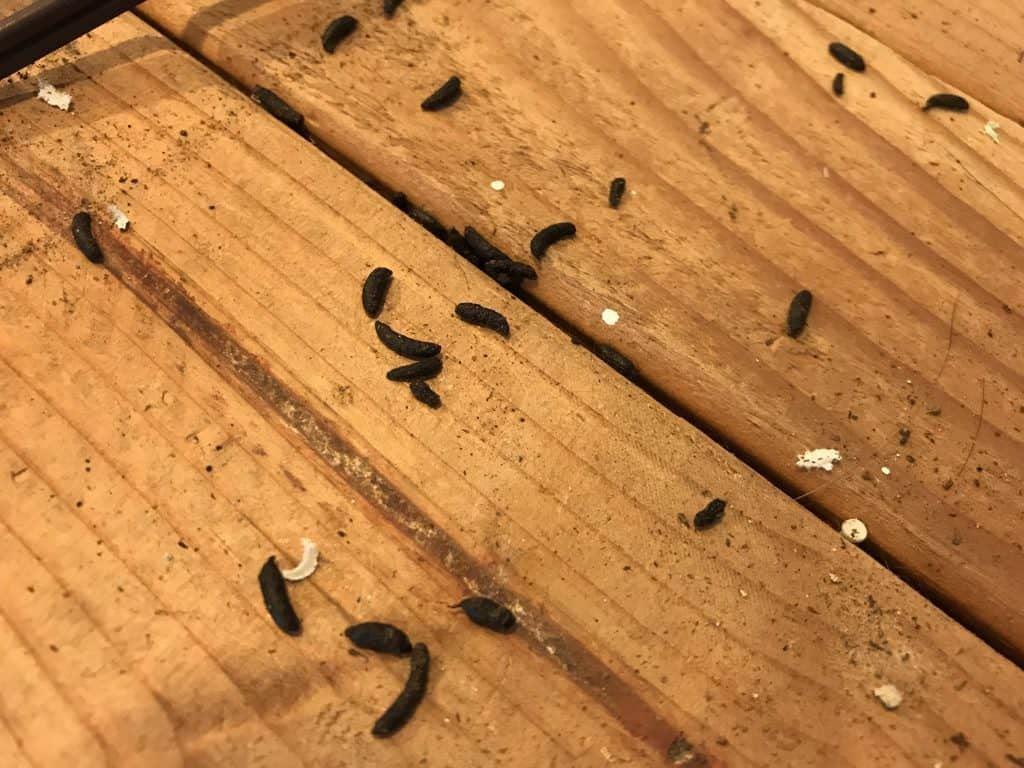
Take care when you find droppings or nesting material: avoid sweeping or vacuuming them dry, wear gloves and wash your hands afterwards. Our mouse droppings guide explains this in more detail.
A ten-minute inspection checklist
Take a torch and work from the inside out, then walk the outside of the building.
- Under the kitchen sink and around the boiler: any gaps around pipes, or droppings and smear marks.
- Behind the washing machine, dishwasher and fridge: service holes in the wall or floor.
- Bottoms of all external doors, including the garage: gaps, worn seals and chew marks.
- Air bricks and vents: missing, rusted or broken covers, with ventilation still working.
- External walls near ground level: cracks, missing mortar and old holes.
- Roof edges, eaves and soffits: shifted or damaged sections, and climbing plants against the wall.
- Drain covers and any disused pipes: in place and in good repair.
- Sheds, garages and extensions: gaps at junctions, and burrows along the base.
- Bins and compost: lids closing properly, bins away from doors and windows.
- Loft and under-stairs cupboards: droppings, nesting material or gnawed wiring.
Reducing food, waste and nesting areas
Good housekeeping will not remove a rodent problem, but BPCA is clear that poor housekeeping attracts them. The most useful steps are:
- Store food in airtight containers and clear up crumbs and spillages straight away.
- Keep bin lids closed, replace cracked bins and keep them away from windows and doors.
- Do not put loose food waste straight into the wheelie bin; bag it first.
- Protect compost heaps with wire mesh and keep them away from the building.
- Clear piles of wood and debris, and cut back overgrown areas next to walls.
- If you feed garden birds, use a feeder or table and avoid leaving surplus seed on the ground.
Why blocking a hole may not be enough
If rodents are already inside, sealing one hole does not remove them and can trap animals in the building. Proofing works best after an inspection has confirmed where they are getting in and where they are nesting. BPCA describes the professional approach as confirming entry points, estimating the size of the problem, tracking animals to their nest and then recommending a proofing strategy alongside control measures.
BPCA also recommends using a professional for any infestation, noting that professionals have access to rodenticides that are not available to the public. It says many house mouse populations in London are resistant to traditional poisons. For that reason, we do not recommend DIY baiting. If you do use traps, place them out of reach of children and pets and follow the label on any product you use.
When to consider treatment and rodent proofing
- You have found droppings, gnaw marks or smear marks, or you can hear activity at night.
- You have found gaps you cannot reach or seal safely, such as at roof level or behind fixed units.
- Rodents have returned after a previous treatment or DIY attempt.
- You are a landlord or run a business, where the duty to keep premises free of rodents sits with you.
When rodent proofing is carried out together with a rat or mice treatment, Zeus Services backs it with a 2-year written guarantee. You can read what proofing covers on our rodent proofing page, and see the treatments for mice and rats. For the outside of a building, see our exterior rodent proofing service.
Frequently asked questions
Can mice get through very small gaps?
Yes. BPCA says mice can squeeze through cracks of around 5mm and need a gap of only about 6mm to get in. Their flexible ribs let them pass through any opening their head can fit through, so even small gaps are worth sealing.
Where should I look for rat entry points?
BPCA says rats need a gap of about 15mm. Start at ground level: around pipes, under sheds, at drain covers and disused pipes, and at damaged air bricks. Also check for holes beside solid structures such as walls and sheds, which can indicate a burrow.
Do mice and rats enter homes only in winter?
No. BPCA notes that mice do not hibernate and are active all year, and that house mice already live in and around buildings. Colder weather can push field mice and rats to look for warmth and food closer to buildings, but gaps and food sources matter at any time of year.
Can rodents enter through drains?
They can. Brown rats are often found in sewer systems, so damaged drains, missing inspection covers and unsealed disused pipes can provide a route. These are best assessed by a professional.
Should I block a hole if I suspect rodents are inside?
Not on its own. Sealing the only exit while animals are inside the building can leave them trapped, and it does not deal with those already there. A professional will confirm the entry points, find where the animals are nesting and plan treatment and proofing together.
When should I consider professional rodent proofing?
Consider it when you have found droppings, noises or damage, when you have found gaps you cannot safely or reliably seal yourself, or when rodents have returned after treatment. Proofing is most effective when it follows an inspection that identifies where the animals are getting in.
Found signs of rodents or a possible entry point?
Zeus Services can help assess the problem and advise on suitable treatment or rodent proofing. We cover all London boroughs, including Camden, Hackney and Islington; see the full list of areas we cover.
Get an estimate and bookSources and further guidance
- BPCA: Pest advice for controlling miceGap sizes, entry points, signs, prevention and winter behaviour.
- BPCA: Pest advice for controlling ratsGap sizes, signs, drains, waste management and autumn behaviour.
- Prevention of Damage by Pests Act 1949 (legislation.gov.uk)Owner and occupier duties around rodents, as summarised by BPCA.
Written by Zeus Services. Measurements and behaviour vary between species and situations, so treat figures as guidance and not as limits. Last updated 17 October 2026.